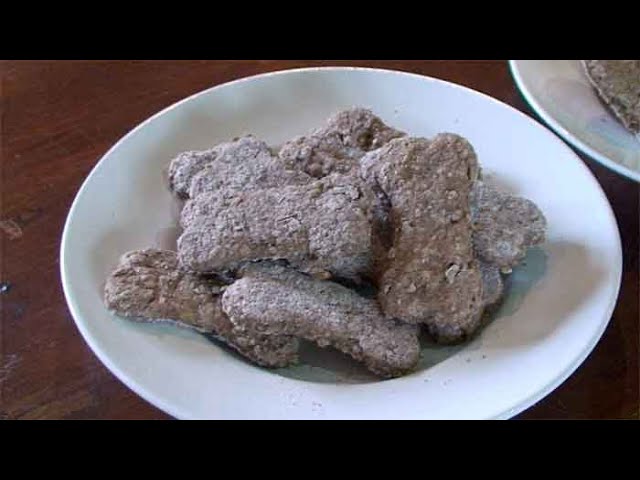
Homemade canine snacks offer a controlled and often healthier alternative to commercially produced options. When preparing food for a pet, ingredient quality and recipe suitability are paramount. These types of recipes enable owners to cater to specific dietary needs or sensitivities while also providing a rewarding experience for their companions.
1. Ingredient Selection
Looking for more useful options?
Check out recommended resources that others find helpful.
Choosing high-quality cuts of meat is crucial. Lean options minimize fat content, promoting canine health. Ensure all ingredients are fresh and free from harmful additives or preservatives. Consulting with a veterinarian regarding suitable ingredients is recommended, especially for dogs with pre-existing health conditions.
2. Preparation Methods
Proper cooking techniques are essential for safety and palatability. Baking or dehydrating are commonly used methods to eliminate harmful bacteria while preserving nutritional value. Avoid adding seasonings such as onion or garlic, which are toxic to dogs.
3. Portion Control
Moderation is key to maintaining a balanced diet. Treats should only constitute a small portion of a dog’s daily caloric intake. Consider the dog’s size, breed, and activity level when determining appropriate serving sizes. Regular monitoring of the dog’s weight and overall health is advisable.
4. Storage Considerations
Proper storage prolongs freshness and prevents spoilage. Once prepared, these should be stored in an airtight container in the refrigerator or freezer. Properly stored treats can maintain their quality for an extended period. Always inspect for any signs of mold or degradation before serving.
Youtube Video: