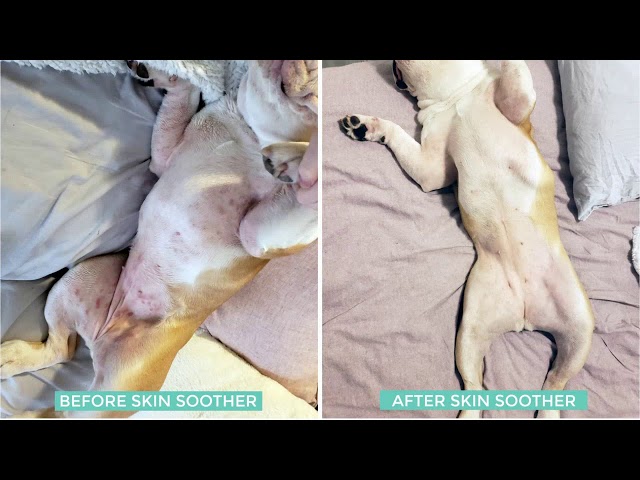
Canine skin ailments can manifest in various ways, including itching, redness, dryness, and inflammation. Addressing these issues promptly and effectively is crucial for maintaining a dog’s comfort and overall well-being. Topical applications can provide relief and support the healing process.
Natural Ingredients
Looking for more useful options?
Check out recommended resources that others find helpful.
Many commercially available products contain synthetic chemicals that can potentially irritate sensitive skin. Homemade remedies often rely on natural ingredients known for their soothing and healing properties.
2. Cost-Effectiveness
Creating topical solutions at home can be a more economical option compared to purchasing pre-made products, especially for pets requiring frequent or long-term treatment.
3. Customization
Homemade formulations allow for tailoring the ingredients and concentration to suit a dog’s specific needs and sensitivities. This is particularly beneficial for dogs with allergies or sensitivities to common ingredients.
4. Oatmeal Soak
Finely ground oatmeal possesses anti-inflammatory properties and can relieve itching. Prepare a lukewarm bath and add the oatmeal until the water turns milky. Soak the affected area for 10-15 minutes.
5. Coconut Oil Application
Virgin coconut oil is known for its moisturizing and antimicrobial properties. Apply a thin layer to the affected areas, ensuring the dog does not ingest excessive amounts.
6. Chamomile Tea Compress
Chamomile tea has soothing and anti-inflammatory effects. Brew a strong chamomile tea, allow it to cool, and use a clean cloth to apply it as a compress to the affected areas.
7. Aloe Vera Gel
Pure aloe vera gel can help soothe irritated skin and promote healing. Apply a thin layer of aloe vera gel to the affected area, avoiding areas where the dog can easily lick it off.
Are homemade options safe for all dogs?
While generally safe, it is essential to introduce new remedies gradually and observe for any adverse reactions. Consult with a veterinarian before using homemade solutions, especially for dogs with pre-existing medical conditions or allergies.
How often should these remedies be applied?
The frequency of application depends on the severity of the condition and the dog’s response to the treatment. Start with once or twice daily and adjust as needed, while consulting with a veterinarian.
Can these solutions replace veterinary care?
These options are intended to provide supplemental support and relief. They should not replace professional veterinary care, especially for severe or persistent skin conditions. It’s always best to consult with your vet first for proper treatment.
How to make sure that ingredients I use are safe for the dogs?
Ensure all ingredients are non-toxic to dogs and sourced from reputable suppliers. When in doubt, consult a veterinarian regarding the safety of a particular ingredient.
By understanding the potential benefits and limitations of natural remedies, pet owners can take proactive steps to manage their dog’s skin health. Always prioritize consulting a veterinarian for any persistent or severe skin issues.
Youtube Video: