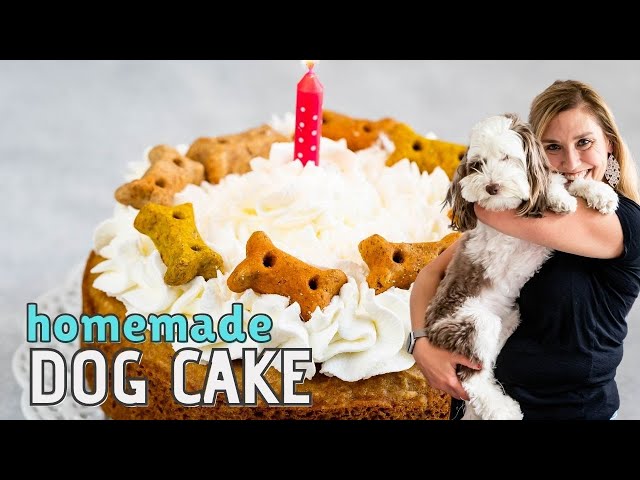
The creation of miniature baked goods designed specifically for canine consumption requires careful consideration of ingredients and portion sizes. These diminutive treats offer a safer and healthier alternative to commercially produced snacks, enabling pet owners to control the dietary components offered to their animals.
1. Ingredient Selection
Looking for more useful options?
Check out recommended resources that others find helpful.
Prioritize ingredients known for their digestibility and nutritional value for dogs. Opt for whole wheat flour or oat flour as a base, and consider incorporating fruits and vegetables like pumpkin, carrots, or applesauce for added vitamins and fiber. Avoid ingredients toxic to dogs, such as chocolate, grapes, raisins, and excessive amounts of sugar or salt.
2. Portion Control
Baking smaller cakes allows for better portion control, crucial for maintaining a healthy weight in smaller dog breeds or those prone to weight gain. A miniature cake can be easily divided into appropriate serving sizes, reducing the risk of overfeeding.
3. Ingredient Modifications
The ability to modify recipes ensures suitability for dogs with allergies or sensitivities. By carefully selecting hypoallergenic ingredients, such as rice flour or sweet potato, potential allergic reactions can be minimized.
4. Cost-Effectiveness
Using smaller quantities of ingredients reduces the overall cost of making homemade treats compared to larger batches. This is particularly beneficial for pet owners on a budget who still wish to provide their dogs with high-quality, homemade snacks.
Youtube Video: