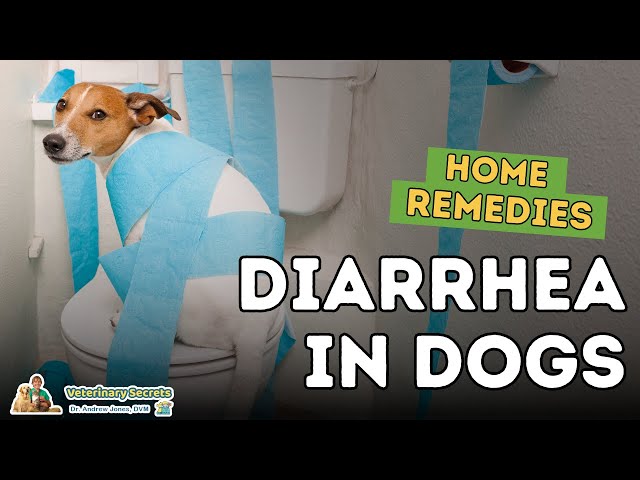
Canine gastrointestinal distress, manifested as loose or watery stools, is a common ailment affecting dogs of all breeds and ages. While persistent or severe cases necessitate veterinary intervention, certain interventions administered within the familiar setting of the home can effectively alleviate mild instances and support the recovery process.
1. Restricting Food Intake
Looking for more useful options?
Check out recommended resources that others find helpful.
A 12-24 hour period of fasting allows the digestive system to rest and recover. Always ensure access to fresh water during this time to prevent dehydration.
2. Bland Diet Introduction
Following the fasting period, a bland diet, such as boiled chicken and white rice, is easily digestible and helps to solidify stools. This should be introduced in small, frequent meals.
3. Probiotic Supplementation
Probiotics introduce beneficial bacteria into the gut, aiding in the restoration of a healthy microbial balance. Consult a veterinarian for appropriate dosage and product recommendations.
4. Hydration Maintenance
Dehydration is a significant concern with diarrhea. Offer fresh water frequently, and consider unflavored electrolyte solutions (specifically formulated for pets) to replenish lost fluids and electrolytes.
Youtube Video: