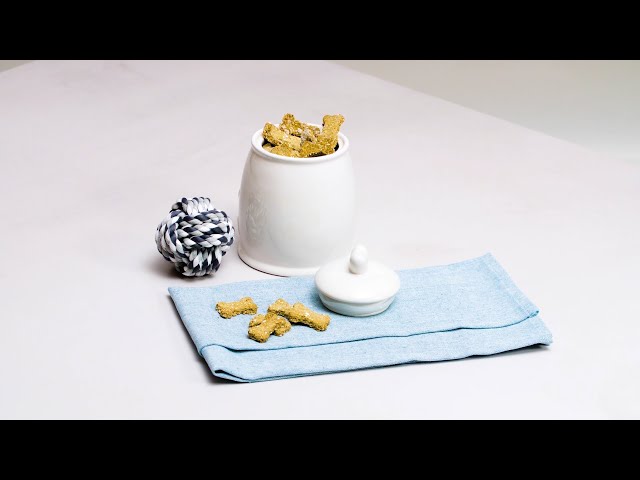
The creation of homemade treats for canine companions allows for control over ingredients, catering to specific dietary needs and preferences. Preparing these snacks at home can be a rewarding experience, offering a healthy and cost-effective alternative to commercially produced options. The formulation explored here yields a palatable and nutritious product suitable for most dogs, while variations can be made to accommodate sensitivities or health conditions.
Ingredient Selection
Looking for more useful options?
Check out recommended resources that others find helpful.
Choosing high-quality ingredients is paramount. Opt for whole wheat flour, oats, or other grains based on the dog’s dietary requirements. Ensure any protein source, such as liver or beef, is fresh and appropriately sourced. Avoid ingredients known to cause allergies or sensitivities in the specific animal.
2. Nutritional Balance
A balanced treat should incorporate protein, carbohydrates, and fats. Consider adding vegetables like carrots or sweet potatoes for vitamins and fiber. Always research the nutritional value of added ingredients and adjust quantities accordingly.
3. Preparation Techniques
Proper mixing and baking techniques are essential for a consistent product. Ensure the dough is adequately hydrated to achieve the desired texture. Bake at the correct temperature to prevent burning or undercooking, which could lead to digestive issues.
4. Tip 1
When introducing homemade treats, begin with small quantities to assess the dog’s tolerance and prevent digestive upset.
5. Tip 2
Introduce new ingredients gradually, one at a time, to easily identify potential allergens or intolerances.
6. Tip 3
Store baked goods in an airtight container in a cool, dry place to maintain freshness and prevent spoilage.
7. Tip 4
Before making significant changes to a dog’s diet, consult with a veterinarian, especially if the animal has pre-existing health conditions.
What type of flour is best for dogs with grain sensitivities?
For dogs with grain sensitivities, consider using alternative flours such as coconut flour, almond flour, or chickpea flour. These flours are gluten-free and may be easier for sensitive dogs to digest.
Can I use honey or maple syrup to sweeten the treats?
While small amounts of honey or maple syrup are generally safe for dogs, they should be used sparingly. Too much sugar can contribute to weight gain and dental problems. Consider using unsweetened applesauce or pumpkin puree for natural sweetness and added nutrients.
How long will these homemade treats last?
The shelf life of homemade treats depends on the ingredients used and storage conditions. Generally, they will last for about a week when stored in an airtight container at room temperature or up to two weeks in the refrigerator. Freezing is also an option for longer storage.
Are there any ingredients that are toxic to dogs and should be avoided?
Yes, several ingredients are toxic to dogs and must be avoided. These include chocolate, grapes, raisins, onions, garlic, xylitol (an artificial sweetener), and macadamia nuts. Always double-check ingredient lists to ensure these items are not included.
In conclusion, crafting homemade treats allows owners to ensure the health and well-being of their pets. By carefully selecting ingredients, following proper preparation techniques, and observing the dog’s reaction, one can create a wholesome and enjoyable snack that contributes to a balanced diet.
Youtube Video: