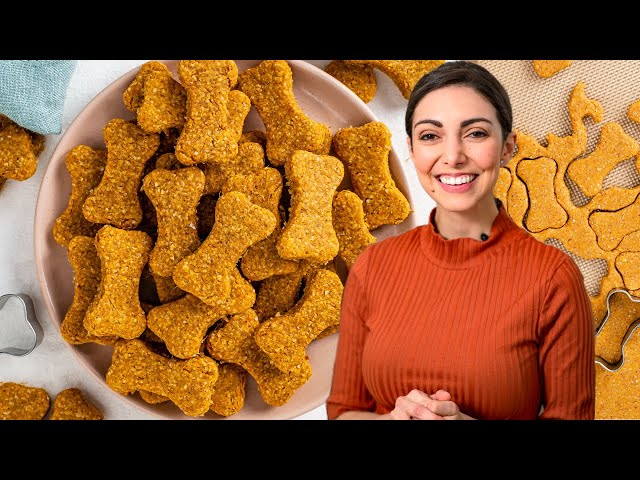
The act of preparing edible treats specifically formulated for canine consumption involves several considerations to ensure the health and well-being of the animal. This process allows for control over ingredients, addressing potential allergies or dietary restrictions. It also provides an opportunity to offer pets fresh, wholesome snacks devoid of artificial preservatives and additives often found in commercially available products.
1. Ingredient Selection
Looking for more useful options?
Check out recommended resources that others find helpful.
Choosing appropriate and safe ingredients is paramount. Common components include whole wheat flour, oats, pumpkin puree, peanut butter (xylitol-free), and eggs. Avoid ingredients known to be toxic to dogs, such as chocolate, grapes, raisins, onions, and garlic.
2. Nutritional Balance
While these treats can be a healthy addition to a dogs diet, they should not replace a balanced meal. Maintain a focus on providing supplemental snacks, accounting for their caloric content within the dogs daily dietary needs. Consult with a veterinarian or canine nutritionist for personalized dietary recommendations.
3. Preparation Methods
Baking is the most common preparation method, involving combining ingredients to form a dough, cutting shapes, and oven-baking until appropriately firm. Alternative methods may include dehydration, which removes moisture and extends shelf life. Proper sanitation and food handling practices should be followed throughout the preparation process.
4. Storage and Preservation
Homemade edible treats typically have a shorter shelf life than commercially produced ones. Store the cooled and baked items in an airtight container in a cool, dry place or in the refrigerator to maintain freshness and prevent spoilage. Freezing is also an option for long-term storage.
5. Tip 1
Before incorporating any new ingredient, research its safety and potential effects on dogs. Reputable sources include veterinary websites and canine nutrition resources.
6. Tip 2
Begin with basic recipes that utilize a few familiar ingredients. This approach minimizes the risk of allergic reactions or digestive upset and provides a solid foundation for expanding into more complex recipes.
7. Tip 3
Take into account your dogs preferred tastes and textures when choosing recipes. Experiment with different flavors and shapes to create treats that your dog enjoys.
8. Tip 4
Introduce new edible treats gradually and observe your dog for any adverse reactions, such as digestive upset or allergic symptoms. If any concerns arise, discontinue use and consult with a veterinarian.
How can I ensure the treats Im creating meet my dog’s specific dietary needs?
Consult with your veterinarian or a certified canine nutritionist. They can help you understand your dogs nutritional requirements based on their age, breed, activity level, and any underlying health conditions.
What if my dog has allergies?
Carefully review all ingredients before preparation. Select hypoallergenic options like oat flour or limited-ingredient recipes. Always introduce new treats slowly and monitor for any allergic reactions, such as itching, skin irritation, or digestive upset.
How long will the treats last, and how should I store them?
The shelf life depends on the ingredients and preparation method. Generally, homemade treats last for 1-2 weeks when stored in an airtight container in a cool, dry place, or up to a month in the refrigerator. Freezing extends shelf life to several months.
Are there any ingredients that should absolutely be avoided?
Yes, avoid ingredients toxic to dogs such as chocolate, grapes, raisins, onions, garlic, xylitol (an artificial sweetener), and macadamia nuts.
Can I use human recipes and simply adjust them for my dog?
Not always. Human recipes often contain ingredients that are unsafe or unhealthy for dogs. Its crucial to use recipes specifically formulated for canine consumption.
How often should I give my dog these homemade treats?
These treats should be given in moderation as part of a balanced diet. The number of treats depends on your dog’s size, activity level, and caloric needs. Consult with your veterinarian for guidance.
In conclusion, the careful process of creating custom edible rewards for canines offers numerous advantages, including enhanced ingredient control, customization for specific dietary requirements, and the opportunity to provide fresh, wholesome snacks. With thorough research, attentive preparation, and mindful feeding practices, this endeavor can contribute to the overall health and well-being of companion animals.
Youtube Video: