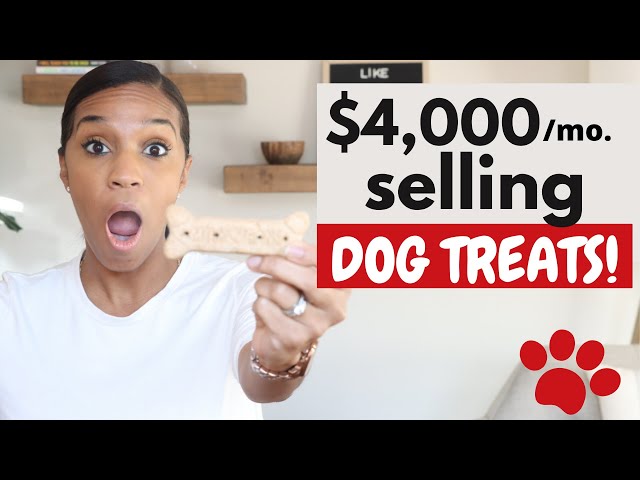
The creation and distribution of edible products intended for canine consumption, crafted within a domestic environment, represents a burgeoning area of entrepreneurial activity. This activity focuses on providing pet owners with alternative options to commercially manufactured goods, emphasizing natural ingredients and customized formulations.
1. Ingredient Quality Control
Looking for more useful options?
Check out recommended resources that others find helpful.
Maintaining rigorous standards in sourcing and handling raw materials is paramount. This involves selecting reputable suppliers, ensuring freshness, and implementing meticulous storage practices to prevent contamination.
2. Nutritional Balance
Formulations should be developed with a clear understanding of canine nutritional requirements. Collaboration with a veterinarian or animal nutritionist can ensure recipes provide appropriate levels of proteins, fats, carbohydrates, and essential vitamins and minerals.
3. Regulatory Compliance
Navigating applicable regulations pertaining to pet food production and labeling is essential. This may include adherence to guidelines set forth by local, state, and federal agencies concerning ingredient usage, product labeling, and manufacturing practices.
4. Marketing and Sales Strategies
Developing a well-defined marketing plan is essential for reaching the target audience. This may involve online presence, social media engagement, local partnerships, and participation in relevant events to build brand awareness and customer loyalty.
Youtube Video: